I’m always looking for simple ways to save money without turning my back on style. That normally means I gravitate towards sample sales, free products, coupons, and consignment shops, along with cheap style updates by way of lip color, nail polish, and inexpensive hair accessories at Marshall’s.
But one area I’ve been hyper-focused on lately is the expense of salon visits — particularly those involving hair color. Because one of the simplest ways to save money and cultivate a natural beauty look is to get back to my roots, that is, my natural hair color.
And so that begs these questions: Do I want my natural hair color back? And if so, what’s better — letting it grow out or dying hair to its natural color?
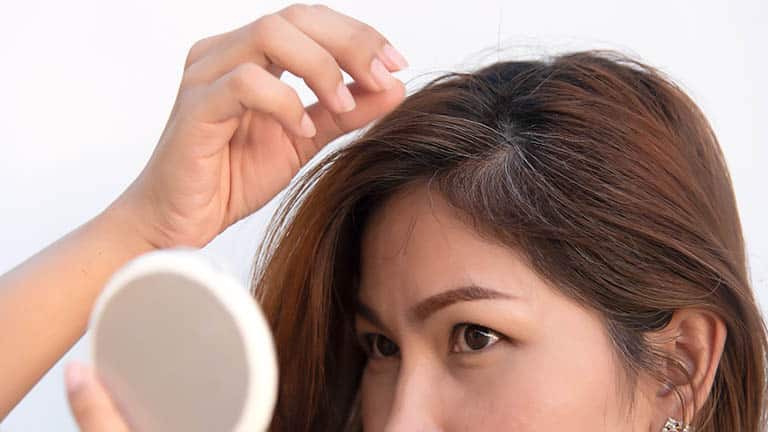
Here’s the background. When COVID happened and all the salons closed, my initial response was total panic. I mean, I had all-over color for the grays plus highlights because, you know, that’s what a stylish lady does. How the heck was I supposed to survive without my colorist in my life, even if it was only temporary?
I’ll spare the details of how I came to this realization, but as it turns out, I’m the same person no matter what color my hair is. The same person with an extra $200 in my pocket every month.
By the time the salons reopened, I had put a lot of thought into my hair strategy. (Ultimately, I decided to let it grow. Fifteen months post-COVID and I’m a third of the way there.)
I’m sharing my thought process here, as it might help you choose a hair color strategy that you can feel good about.
Pros of returning to your natural color
1. Time saved
How many times have you sat in the stylist’s chair, checking your watch and hoping you can make it to your meeting on time? The two to three hours you spend getting your hair done every six weeks adds up to about 24 hours every year — plus whatever time it takes to schedule your appointment, commute, and find a parking spot. That could be a whole vacation day, time with your family, or several much needed naps.
2. Money
Color and highlights might cost you $100 or more, not including your cut and style. And, depending on your hairstyle, you may not need a cut every six weeks if you’re not already going in for color. My hair salon budget shrank from over $2,000 a year to less than $200.
3. Ease of use
With your natural color, you can pull your hair back in a ponytail or part it in the middle, without stressing over your roots showing.
Dying hair to its natural color vs. Letting it grow out
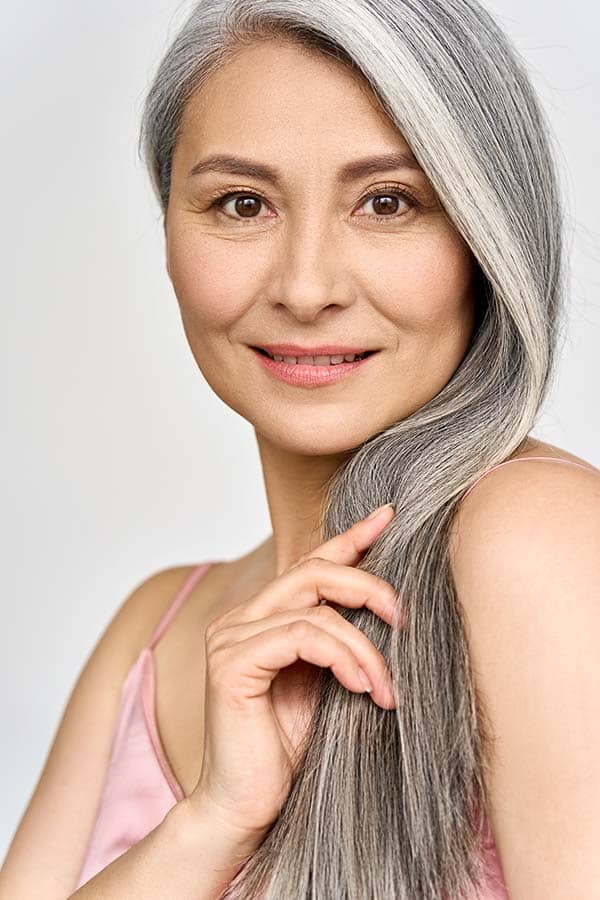
Dying your hair is obviously the faster route. You can usually get the job done in one or two salon visits and then the regrowth should be pretty seamless from there. Personally, I would’ve chosen this route but for one problem — my gray hair.
Because I have random grays growing in, dying my hair brown would have only delayed my journey back to my natural color. By the time the salons reopened, I was already an inch into the regrowth process. At that point, I decided to stick it out and see how long I could last. Almost a year later, I’m still committed.
The other issue I have is the way hair color affects the texture of my hair. My lighter, colored tresses are obviously courser and frizzier than the hair at my roots, even including those grays. The more times I dye my hair, the more I put off letting my natural, healthy hair see the light of day.
Letting your natural color grow out is slow and painful. I can attest to this. After a year, my natural roots are about six inches long. In another few months, I could transition to a bob that’s all natural. If I want to keep my length, I’m probably 18 to 24 months away from cutting off the last of the colored ends. That’s a loooong time.
But you know what? Once I let go of the urge to explain to random strangers why my hair is two different colors, I don’t feel so impatient. Honestly, it’s pretty liberating.
Cons of returning to your natural hair color
1. Loss of identity
It might sound silly, but you might feel as though you identify with a particular hair color. For example, if you are a dyed blonde and have been highlighting your hair since high school, you might not feel like you if you change it to brown. Or think Christina Hendricks, an adopted redhead. Can ya imagine her as a, say, blonde?
2. No more varied color
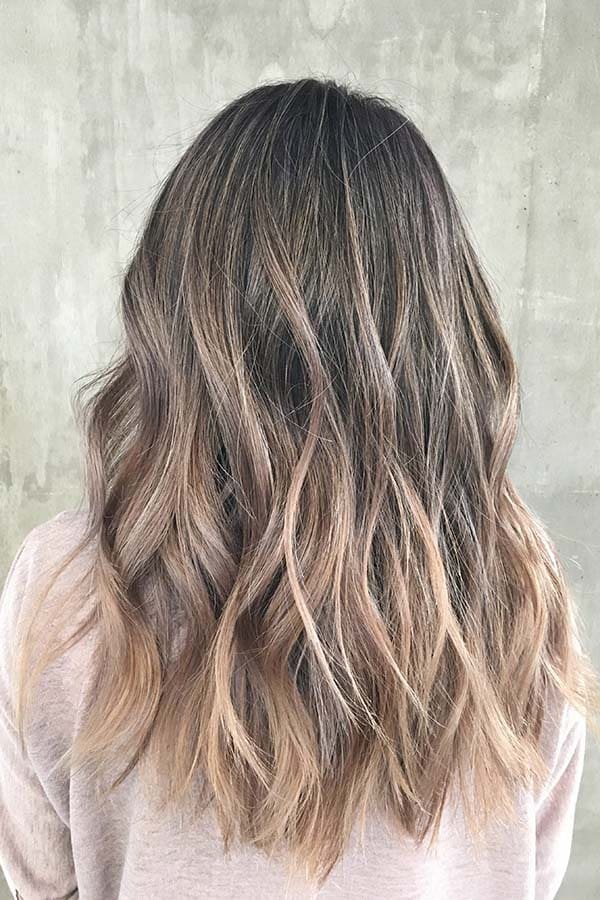
When you change your color a lot, whether it’s with different rinses, low lights, or highlights, your hair develops varied tones. It might seem like you lose that when you color it all at once because your highlights and low lights will be more subtle.
3. Adjustment time
Any big change comes with an adjustment. If your natural hair color is quite different from what you’ve looked like for years, you’re going to get a lot of questions. You might not even recognize yourself in the mirror. It’s going to take some getting used to.
Chances are, your skin tones and eye color work better with your natural color than the one you’ve been dying it all those years. Plus, you get to re-experiment with makeup colors and see what pairs with your new (er old) do!