H&M is reuniting with Stella McCartney for a 2026 designer collection to hit the racks in May. The fast-fashion retailer first teamed with McCartney in 2005 — for the second installment of H&M’s groundbreaking series of high-low fashion collections. Those drops have brought budget shoppers a range of interesting (and labelled) pieces that go beyond your standard H&M tanks and tees.
Read next: How to shop H&M
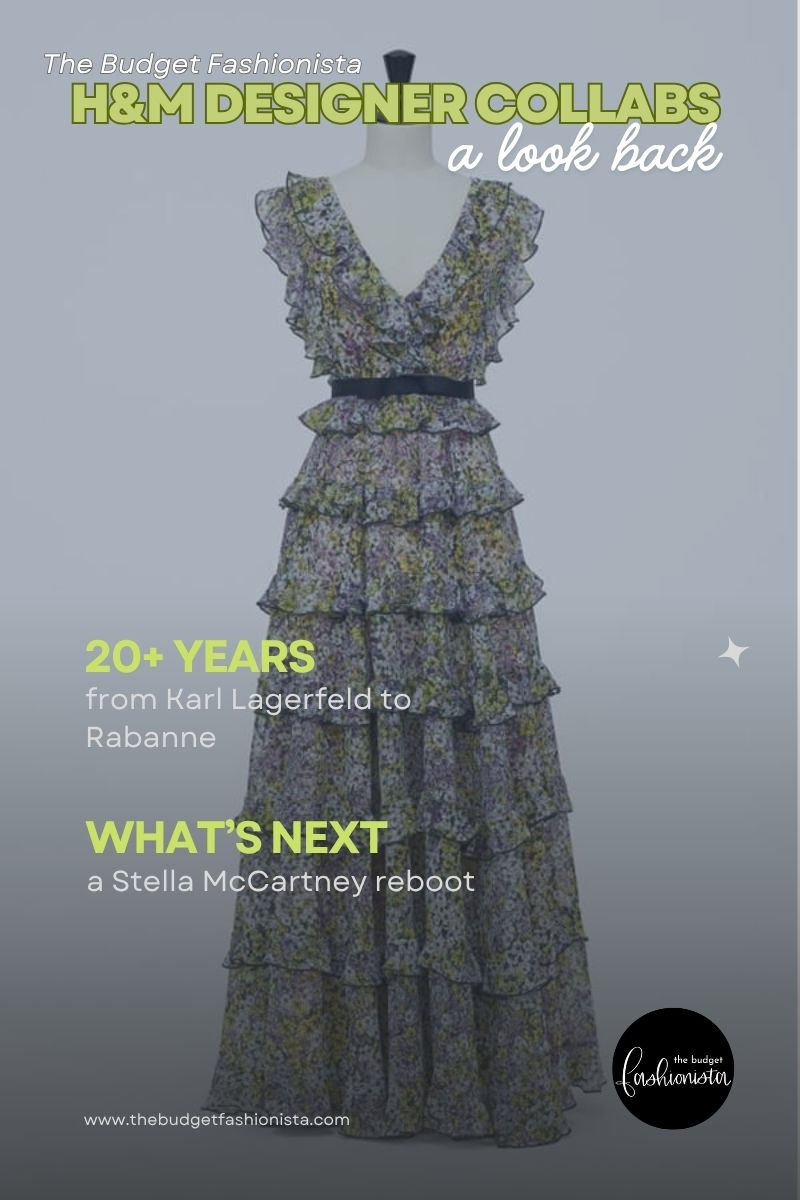
A 2026 reboot of Stella McCartney x H&M gives us the perfect excuse to revisit the history of H&M designer collabs. It’s a look-back back that shows off H&M’s depth and signals why this fast-fashion retailer has survived changing times when so many others have failed.
Early collab years: 2004-2008
H&M launched its first designer collection in 2004. In those early years, the high-low strategy was still new. Budget shoppers warmed to it quickly, enjoying access to some of the best-known names in fashion:
- 2004: Karl Lagerfeld. Lagerfeld’s H&M collection featured sleek tailoring and sharp silhouettes in a monochrome palette. He was Chanel’s creative director at the time, and H&M’s first designer collaboration definitely featured that Chanel energy. Shop Karl Lagerfeld x H&M on Poshmark.
- 2005: Stella McCartney. McCartney’s contribution included feminine, wearable pieces with soft tailoring and modern simplicity. Shop Stella McCartney x H&M on Poshmark.
- 2006: Viktor & Rolf. These pieces were playful and conceptual. In that high-design spirit, the collection had an artistic edge, but remained wearable enough for the H&M masses. Shop Viktor & Rolf x H&M on Poshmark.
- 2007: Robert Cavalli. The Robert Cavalli x H&M collection was all about nightlife energy by way of bold prints, metallics, and glam party pieces. Shop Robert Cavalli x H&M on Poshmark.
- 2008: Comme des Garçons. Avant-garde tailoring with unexpected shapes and polka dots that pushed H&M shoppers outside their comfort zone. Shop Comme de Garçons x H&M on Poshmark.
Collab momentum: 2009 to 2014
Momentum behind H&M’s collabs began to ramp in 2009. Increasingly, the annual drops inspired frenzy from shoppers who stood at the ready to snap up affordable Jimmy Choos and more.
- Spring 2009: Matthew Williamson. A colorful, boho-luxe collection with bold prints and breezy silhouettes that felt like vacation dressing you could actually afford.
- Autumn 2009: Jimmy Choo. A statement-driven accessories drop featuring party-ready heels and bags that brought designer footwear within reach.
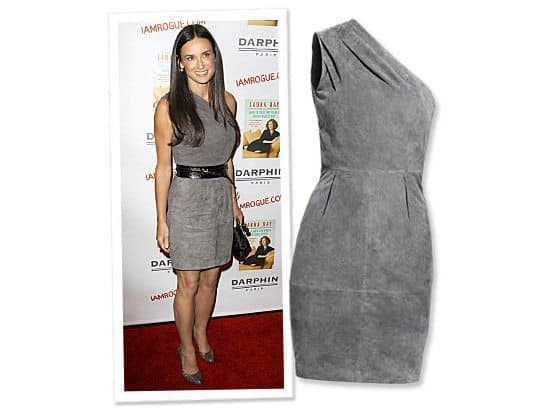
- Spring 2010: Sonia Rykiel. Playful knits, stripes, and Parisian charm defined this cozy-meets-chic collection with a distinctly feminine edge. See it here.
- Autumn 2010: Lanvin. Romantic dresses, luxe-looking fabrics, and polished tailoring that made high fashion feel surprisingly wearable.
- 2011: Versace. Bold patterns, body-conscious silhouettes, and high-glam energy that delivered unmistakable Versace drama at H&M prices.
- Spring 2012: Marni. Quirky prints, layered styling, and slightly offbeat proportions that appealed to shoppers who wanted something different.
- Autumn 2012: Maison Martin Margiela. Conceptual, archival-inspired pieces with oversized shapes and deconstructed details that felt more collectible than everyday.
- 2013: Isabel Marant. Effortless, slightly undone Parisian style with relaxed fits, boho touches, and easy, wearable separates.
- 2014: Alexander Wang. Sporty, minimalist designs with an athletic edge that blurred the line between streetwear and performance wear.
Read next: Target designer collaborations: Decades of budget fashion perfection
The social media era: 2015 onward
Beginning in the mid-2010s, social media began propelling H&M’s designer collections to new heights. While H&M increasingly drew criticism for its quick-turn collections
- 2015: Balmain. Ultra-glam, heavily embellished pieces with strong shoulders and celebrity-driven hype that defined the collab era.
- 2016: KENZO. Loud and bold, statement silhouettes that felt energetic, youthful, and unapologetically fun.
- 2017: Erdem. Romantic florals and vintage-inspired silhouettes that leaned softer, more delicate, and occasion-ready.
- 2018: Moschino. Playful, logo-heavy pieces with pop culture references and a distinctly tongue-in-cheek attitude.
- 2019: Giambattista Valli. Dramatic tulle dresses and elevated evening wear that brought red-carpet energy to H&M pricing. See it here.
- 2021: Simone Rocha. Intricate, feminine designs with pearls, volume, and craftsmanship that felt special and collectible.
- 2021: Toga Archives. Eclectic, layered pieces with hardware details and a cool, offbeat styling perspective.
- Spring 2023: Mugler. Body-contouring silhouettes, sheer panels, and bold tailoring that emphasized confidence and structure.
- Autumn 2023: Rabanne. Metallics, chainmail, and party-ready pieces that leaned into futuristic glamour and statement dressing.
In 2024, H&M celebrated 20 years of designer collabs by re-releasing used pieces from prior collections.
Read next: The ins and outs of the H&M return policy
Why high-low collaborations matter
You can rely on H&M designer launches to bring you high-style statement pieces on a budget. They’re also an affordable way to experiment with a designer aesthetic.
There are trade-offs, of course. Relative to true designer pieces, your high-low garments will have lower-end materials and less exclusivity. And, while these collections can sell out quickly, the pieces won’t have the enduring value of, say, a Chanel bag.
Read next: P.E. Nation x H&M Collection
If you care more about quality than label, consider shopping H&M Studio or H&M Premium Selection. These collections feature upgraded fabrics, cleaner styling, and higher price points than standard H&M pieces.
Smart shopping rules apply
The high-low collections that launch with tons of buzz can tempt you into breaking your own smart shopping rules. Don’t do it. If you want to buy a Stella McCartney x H&M piece this spring, demand something you’ll wear multiple ways. Gift yourself a fashion workhorse — one that happens to have Stella McCartney’s name on it.