Clothes don’t wear out overnight or without reason. Sometimes your garments deteriorate after years of heavy use, but a more common cause is poor clothing care habits.
Aggressive washing, ignoring minor problems, and skipping basic maintenance shortens the life of your clothes. The good news is, you can correct those issues without the help of expensive products or professional services. You need only commit to six simple practices to keep your clothes looking fresh and wearable for years.
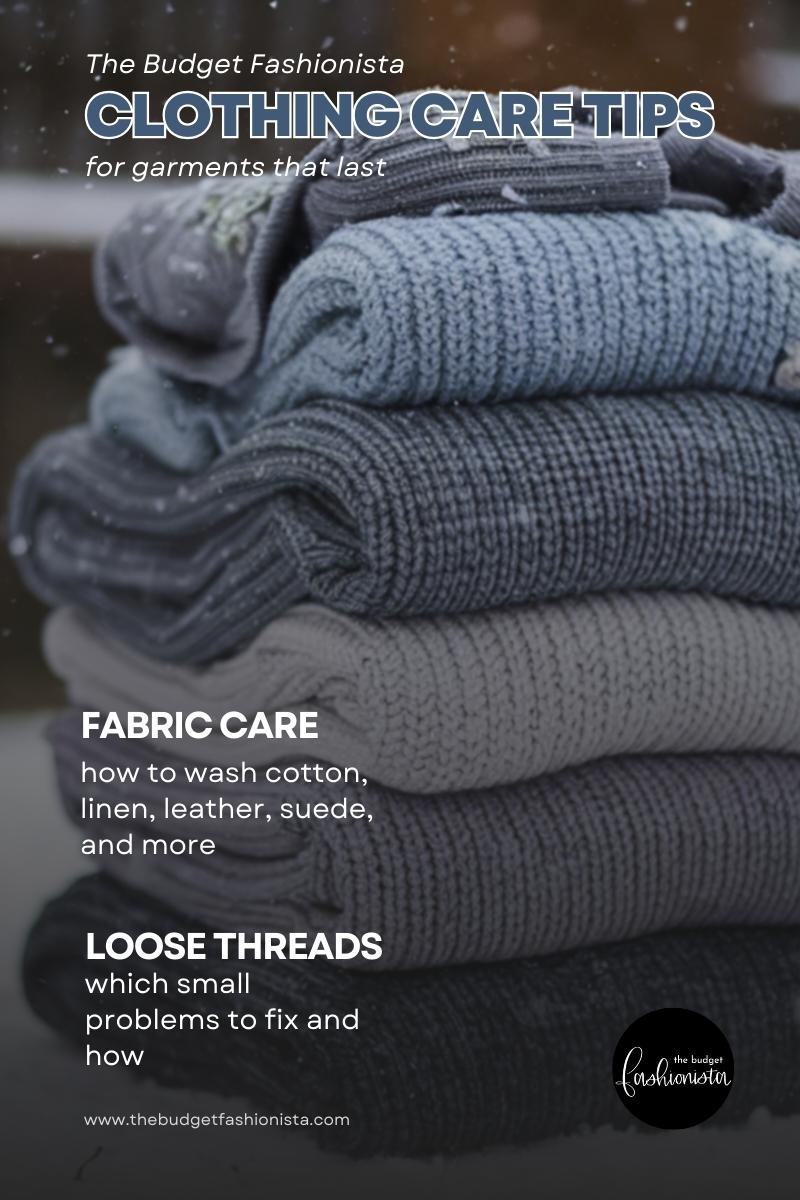
1. Follow those care instructions
Garments come with care instructions, but those little tags are easy to overlook. The print is tiny and the tags can get lost if you compulsively cut them out when they rub you the wrong way. It can also be cumbersome to manage 12 different laundry processes so your clothes stay pretty.
Still, the care instructions are there to protect the longevity of your clothes. Since longevity is most important for your higher-quality, classic pieces, at least plan to follow tag instructions on those. You can be less diligent about the trendier, fast-fashion pieces that will fall out of favor next season.
Consider setting up a laundry sorting system to help you — put items for hand-washing in one basket, cold-water items in another, etc.
2. Rely on best practices for the fabric
When you don’t have garment-specific care instructions, follow best practices according to the garment’s fabric. Here are the guidelines to know:
- Cotton. Wash cotton garments with similar colors. Use cold water for dark colors and warm water for whites. Cotton can shrink in high heat, so tumble dry on low or hang dry when possible.
- Linen. Wash your linen pieces in cold water on a gentle cycle and hang dry. Linen wrinkles easily, but high dryer heat can damage the fibers.
- Denim. Wash your denim inside out in cold water to preserve its color. Air dry when possible, or tumble dry on low to prevent fading and shrinking.
- Silk. Hand wash silks in cold water with a gentle detergent, or use the delicate cycle in your washer. Always air dry silk. Avoid wringing or pinching the fabric.
- Wool. Wash wools in cold water on a delicate or, if you have it, wool cycle. Lay these pieces flat to dry to prevent stretching or misshaping.
- Cashmere. Hand wash cashmeres in cold water with mild detergent. Gently press out excess water and lay flat to dry.
- Polyester. Wash polyester pieces in warm or cold water. Tumble them dry on low heat since high temperatures can damage the fibers.
- Rayon (viscose). Hand wash rayons or use the delicate cycle in cold water. Air dry these garments to prevent shrinking and fabric distortion.
- Spandex (elastane). Wash spandex items in cold water. Don’t use fabric softener on these pieces because it can affect the fabric’s stretch. Air dry or tumble dry on low.
- Nylon. Machine wash nylon in cold water on a gentle cycle. Air dry or tumble dry on low heat.
- Suede. Do not machine wash your suede clothes. Instead, use a suede brush or specialty cleaner to remove dirt and stains.
- Leather. Wipe leathers clean with a damp cloth and condition occasionally. Avoid soaking leather in water.
A good rule of thumb is to use gentle detergents, wash clothes in cold water when possible, and avoid excessive heat in the dryer. High heat can weaken fibers, shrink fabrics, and fade colors. When in doubt, air drying is often the safest option.
Read next: How to clean and disinfect thrift store clothing
3. Inspect and fix
Try adopting the habit of looking over your clothes regularly. In the same way you inspect a new garment before you buy, check the seams, buttons, and tags of clothes you already own. Snags and loose seams and buttons are common, and they do limit the wearability of your clothes. But you can fix these problems if you catch them early.
Of course, you may need to develop some basic sewing skills. These resources might help:
- How to sew a button for beginners (video)
- How to fix a popped t-shirt seam (video)
- How to fix a snag (video)
Read next: How to keep your zippers zipped
4. Keep colors, whites bright
Over time, clothing can lose its crisp appearance. Whites dull and colors fade. These changes give garments an older, worn look that can shorten their lifespan.
Keeping clothes bright also comes down to proper washing habits:
- Separate whites from darker colors.
- Wash your clothes inside out.
- Use cold water.
- Occasionally adding a bit of bleach to your white loads or OxiClean to your colored loads can also help preserve the original look of your garments.
5. Store clothes properly
Your clothes and shoes can also deteriorate with improper storage in the off-season. If you live in a four-season climate with limited closet space, see our complete guide to clothing storage before you shove your winter sweaters into a random cardboard box when it gets cold.
6. Remember the accessories
Clothing isn’t the only part of your wardrobe that needs attention. Accessories benefit from regular maintenance as well.
Budget jewelry, for example, can lose its shine over time or even cause skin discoloration if it isn’t cleaned properly. Regular gentle cleaning helps keep pieces looking polished while reducing the chance that metals will react with your skin.
Taking care of accessories preserves their appearance and ensures they can still complement the outfits you wear most often.
Stay on budget with good clothing care
Good clothing care is part of smart budgeting. The longer your pieces last, the more value you get from each one.
If you’re not sure where to start, focus on careful washing, regular clothing inspections, and organized storage practices. When you see problems, fix them right away or retire the garment. If you’re not going to wear it, it shouldn’t clutter up your closet.
Your efforts will be rewarded, because your wardrobe works harder when you take care of it. Clothes stay comfortable, look better longer, and deliver more value over time. Those are huge benefits when you’re trying to keep clothing spend in check.